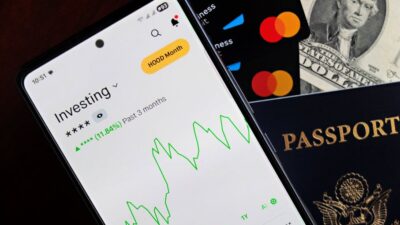
Understanding the Digital Financial Landscape
The world of personal finance has moved almost entirely online. By 2026, digital banking and online financial interactions are the norm. But with this convenience comes the imperative to protect your assets and information. Navigating the digital finance landscape requires a keen awareness of potential threats and proactive measures to secure your financial well-being.
Top Digital Security Threats and How to Combat Them
Digital threats have evolved into sophisticated and nuanced challenges. Phishing attacks remain rampant, where fraudsters impersonate financial institutions to steal your information. To counter this, always verify email sources and use official banking apps. Adopting two-factor authentication (2FA) can further shield your accounts by requiring an additional verification step.
Ransomware and malware pose threats by locking your data behind paywalls or stealing it outright. Regular updates to your devices and software are essential in thwarting these attacks, as manufacturers frequently release patches to address vulnerabilities. Ensure your anti-virus software is current and routinely scans for threats.
Reinforcing Digital Security Measures
- Strong, Unique Passwords: Use a combination of letters, numbers, and symbols. Avoid using the same password across multiple accounts, as a breach in one could compromise others.
- Secure Wi-Fi Connections: Public Wi-Fi is convenient but risky for financial transactions. Employ a Virtual Private Network (VPN) to encrypt your data in public settings.
- Monitor Financial Statements: Regularly review your bank and credit card statements. Swift detection of unauthorized transactions can prevent further fraud.
The Role of Biometric Security
Biometric security has become a cornerstone of digital finance in 2026. Many financial institutions now offer biometric authentication, such as fingerprint or facial recognition, for accessing accounts. These methods provide an added layer of security, ensuring only you have access to your financial information.
However, even biometrics has its challenges. Be sure to complement biometric systems with other security measures, such as 2FA, to create a robust security infrastructure.
Staying Informed: Financial Security Education
Keeping abreast of the latest security threats and solutions is crucial. Financial institutions and cybersecurity firms frequently update their clients about new scams and protective measures. Sign up for alerts and newsletters, and participate in webinars or workshops focusing on digital finance security.
Educational resources empower you to make informed decisions about your financial practices, reducing your vulnerability to cyber threats.
Your Action Plan for 2026 and Beyond
As we navigate 2026, digital security should remain a top priority in your personal finance strategy. Start with an audit of your current security measures. Identify vulnerabilities and take steps to strengthen them. This could involve updating passwords, implementing 2FA, or learning more about biometric technology.
Remember, the digital world is continuously evolving. Staying one step ahead of potential threats can be your ticket to peace of mind and financial stability.