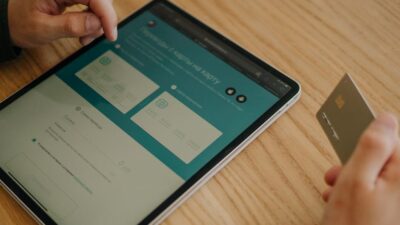
Understanding Hybrid Banking: A Blend of the Old and New
As we navigate through 2026, banking has evolved beyond what many could have imagined just a decade ago. Enter hybrid banking—a seamless blend of traditional banking services and modern digital innovations. This model is rapidly gaining popularity, offering the best of both worlds to consumers who crave the personal touch of in-person banking and the convenience of digital platforms.
Hybrid banking isn’t just a trend; it’s fast becoming the norm. Financial institutions like JP Morgan and Wells Fargo have ventured into this territory, offering services that allow for online transactions complemented by physical branch experiences. This approach caters to diverse customer needs, ensuring that no one is left behind in the digital revolution.
Why Hybrid Banking is the Future
Customers today are looking for more than just a place to park their money. They demand flexibility, accessibility, and personalized service. Hybrid banking meets these demands head-on by providing a range of options for interacting with financial institutions. Whether it’s through an app or a face-to-face meeting with a banking advisor, customers have the autonomy to choose how they manage their finances.
Moreover, with the increased risk of cyber threats, many customers appreciate the security that comes with traditional in-person banking. Hybrid banking models offer robust security features for digital transactions while maintaining the trust and familiarity of brick-and-mortar branches.
Key Benefits of Hybrid Banking
- Flexibility: With multiple channels to choose from, customers can switch between digital and in-person services without any hassle.
- Personalized Service: Hybrid banking leverages data analytics for personalized financial advice, while also providing traditional personal interactions for those who prefer them.
- Enhanced Security: By integrating cutting-edge technology with traditional security measures, hybrid banks offer a secure banking experience.
- Cost-Effective: For banks, maintaining a hybrid model can be more cost-effective than operating solely traditional or digital branches, leading to potential savings for customers.
Examples of Hybrid Banking Success
One standout example of successful hybrid banking is HSBC’s Fusion service, which combines business and personal banking under one roof, streamlined through digital interfaces and physical branches. Another is Santander, which offers both an intuitive app for daily transactions and in-branch advisory services for complex financial decisions.
These models demonstrate how banks are enhancing customer experiences by offering personal consultations, investment advice, and even workshops on financial literacy—all while maintaining the convenience of digital services.
How to Make the Most of Hybrid Banking
To fully benefit from hybrid banking, it’s crucial to understand your own financial needs and preferences. Are you someone who prefers the ease of online transactions, or do you value the personal touch of a face-to-face meeting? Identify what suits you best and leverage the services offered by your bank to meet those needs.
Additionally, staying informed about the latest banking technologies and security measures can further enhance your hybrid banking experience. Knowledge is power, and understanding how to navigate both digital and physical banking spaces will empower you to make more informed financial decisions.
Practical Takeaway
In 2026, hybrid banking is not just a convenience; it’s a strategic advantage. By combining the robustness of traditional banking with the agility of digital platforms, consumers can enjoy a comprehensive, flexible, and secure banking experience. Embrace this model to enhance your financial management and future-proof your finances against the ever-evolving banking landscape.